Buy pouvoirs-locaux-francais.eu ?
We are moving the project
pouvoirs-locaux-francais.eu .
Are you interested in purchasing the domain
pouvoirs-locaux-francais.eu ?
domain@kv-gmbh.de · 0541-91531010
Buy pouvoirs-locaux-francais.eu ?
Is a performance circuit breaker a power circuit breaker?
No, a performance circuit breaker is not the same as a power circuit breaker. A performance circuit breaker is designed to protect electrical equipment from damage due to overcurrent or short circuits, while a power circuit breaker is specifically designed to protect power distribution systems from overloads and short circuits. While both types of circuit breakers serve to protect electrical systems, they are designed for different applications and have different operating characteristics. **
Does a Z16 circuit breaker trip faster than a B16 circuit breaker?
Yes, a Z16 circuit breaker typically trips faster than a B16 circuit breaker. This is because Z16 circuit breakers are designed to have a higher breaking capacity and faster response time compared to B16 circuit breakers. The Z16 circuit breaker is more suitable for applications where a quicker response to overcurrent situations is required for better protection of the electrical system. **
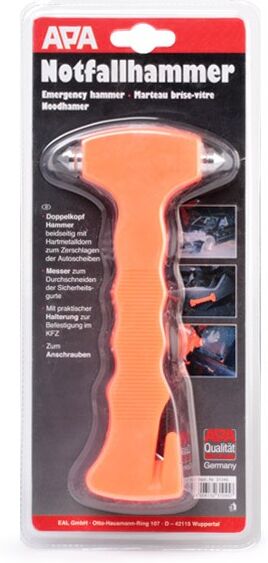
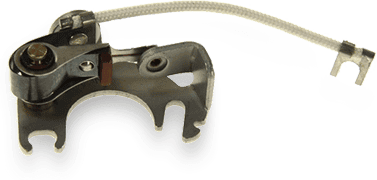
Similar search terms for Breaker
Top-Angebote
Products related to Breaker:
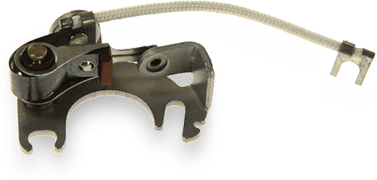
-
What is the difference between state and local government administration?
State government administration refers to the management and governance of an entire state, overseeing issues that affect the entire state population. Local government administration, on the other hand, focuses on managing and governing specific cities, towns, or counties within a state. Local governments are responsible for addressing issues that are more localized and directly impact residents within their jurisdiction, such as local infrastructure, public safety, and zoning regulations. State governments typically have broader authority and resources compared to local governments, which have more limited jurisdiction and resources. **
-
Which residual-current circuit breaker?
The residual-current circuit breaker, also known as an RCCB, is a device designed to quickly disconnect a circuit when it detects an imbalance in the flow of electricity. This imbalance could be caused by a fault in the circuit or by current leakage, which could pose a risk of electric shock or fire. RCCBs are an important safety feature in electrical systems, providing protection against electrical hazards and ensuring the safety of individuals and property. **
-
Is the circuit breaker defective?
It is not possible to determine if the circuit breaker is defective without further information or testing. Common signs of a defective circuit breaker include tripping frequently, not resetting properly, or showing signs of physical damage. It is recommended to consult a qualified electrician to inspect and test the circuit breaker to determine if it is functioning properly. **
-
Which circuit breaker trips faster?
A circuit breaker with a lower trip time rating will trip faster than one with a higher trip time rating. This means that a circuit breaker with a trip time of, for example, 10 milliseconds will trip faster than one with a trip time of 100 milliseconds. The faster a circuit breaker trips, the quicker it can disconnect power in the event of a fault, helping to protect the electrical system and prevent damage. **
What is a circuit breaker?
A circuit breaker is an electrical safety device designed to protect an electrical circuit from damage caused by excess current. It automatically interrupts the flow of electricity when it detects a fault or overload in the circuit, preventing overheating and potential fires. Circuit breakers are commonly used in homes, buildings, and industrial settings to ensure the safety of electrical systems and prevent damage to electrical equipment. **
Is the circuit breaker faulty?
To determine if the circuit breaker is faulty, you can perform a few checks. First, try resetting the circuit breaker by flipping it to the off position and then back on. If the circuit breaker continues to trip or not reset, it may be faulty. Additionally, check for any signs of damage or burning on the circuit breaker itself. If you are unsure, it is best to consult a qualified electrician to inspect and potentially replace the faulty circuit breaker. **
Top-Angebote
Products related to Breaker:
-
Is a performance circuit breaker a power circuit breaker?
No, a performance circuit breaker is not the same as a power circuit breaker. A performance circuit breaker is designed to protect electrical equipment from damage due to overcurrent or short circuits, while a power circuit breaker is specifically designed to protect power distribution systems from overloads and short circuits. While both types of circuit breakers serve to protect electrical systems, they are designed for different applications and have different operating characteristics. **
-
Does a Z16 circuit breaker trip faster than a B16 circuit breaker?
Yes, a Z16 circuit breaker typically trips faster than a B16 circuit breaker. This is because Z16 circuit breakers are designed to have a higher breaking capacity and faster response time compared to B16 circuit breakers. The Z16 circuit breaker is more suitable for applications where a quicker response to overcurrent situations is required for better protection of the electrical system. **
-
What is the difference between state and local government administration?
State government administration refers to the management and governance of an entire state, overseeing issues that affect the entire state population. Local government administration, on the other hand, focuses on managing and governing specific cities, towns, or counties within a state. Local governments are responsible for addressing issues that are more localized and directly impact residents within their jurisdiction, such as local infrastructure, public safety, and zoning regulations. State governments typically have broader authority and resources compared to local governments, which have more limited jurisdiction and resources. **
-
Which residual-current circuit breaker?
The residual-current circuit breaker, also known as an RCCB, is a device designed to quickly disconnect a circuit when it detects an imbalance in the flow of electricity. This imbalance could be caused by a fault in the circuit or by current leakage, which could pose a risk of electric shock or fire. RCCBs are an important safety feature in electrical systems, providing protection against electrical hazards and ensuring the safety of individuals and property. **
Similar search terms for Breaker
-
Is the circuit breaker defective?
It is not possible to determine if the circuit breaker is defective without further information or testing. Common signs of a defective circuit breaker include tripping frequently, not resetting properly, or showing signs of physical damage. It is recommended to consult a qualified electrician to inspect and test the circuit breaker to determine if it is functioning properly. **
-
Which circuit breaker trips faster?
A circuit breaker with a lower trip time rating will trip faster than one with a higher trip time rating. This means that a circuit breaker with a trip time of, for example, 10 milliseconds will trip faster than one with a trip time of 100 milliseconds. The faster a circuit breaker trips, the quicker it can disconnect power in the event of a fault, helping to protect the electrical system and prevent damage. **
-
What is a circuit breaker?
A circuit breaker is an electrical safety device designed to protect an electrical circuit from damage caused by excess current. It automatically interrupts the flow of electricity when it detects a fault or overload in the circuit, preventing overheating and potential fires. Circuit breakers are commonly used in homes, buildings, and industrial settings to ensure the safety of electrical systems and prevent damage to electrical equipment. **
-
Is the circuit breaker faulty?
To determine if the circuit breaker is faulty, you can perform a few checks. First, try resetting the circuit breaker by flipping it to the off position and then back on. If the circuit breaker continues to trip or not reset, it may be faulty. Additionally, check for any signs of damage or burning on the circuit breaker itself. If you are unsure, it is best to consult a qualified electrician to inspect and potentially replace the faulty circuit breaker. **
* All prices are inclusive of VAT and, if applicable, plus shipping costs. The offer information is based on the details provided by the respective shop and is updated through automated processes. Real-time updates do not occur, so deviations can occur in individual cases. ** Note: Parts of this content were created by AI.